



From Waste to Wealth: A Community Story of PLASPIN in Shah Poran, Dhaka
Posted by Sumaya Rahmatullah • Feb. 23, 2026
This initiative was designed, led, and implemented by Sumaya Rahmatullah and Effat Jahan Efa as part of the Climate Resilience Fellowship – a joint initiative by HOT’s Open Mapping Hub - Asia-Pacific and World Vision Bangladesh, funded by NetHope.
The first time I walked into Shah Poran, an informal settlement in Mirpur, Dhaka, I remember stopping without realizing it. The lanes were narrow, wet, and crowded, lined with plastic bags, bottles, and wrappers pressed into every corner. The air felt heavy. It was not just the waste; it was how closely life and waste were intertwined. Children played beside clogged drains, women cooked next to piles of discarded plastic, and every rainfall turned garbage into something dangerous like floodwaters mixed with sewage, spreading skin infections, diarrheal diseases, and mosquito-borne illnesses.
My first visit wasn’t unique. Many people feel shocked when they enter an informal settlement for the first time. But what stayed with me wasn’t the shock, it was the dedication I saw all around me. The women were constantly working, managing households with almost no resources. The youth were curious, energetic, and observant, yet disconnected from any formal role in improving their surroundings. People were trying their best to earn a living while living inside an environment that was surrounded by waste. The problem wasn’t unwillingness. It was the absence of a system that respected their reality.
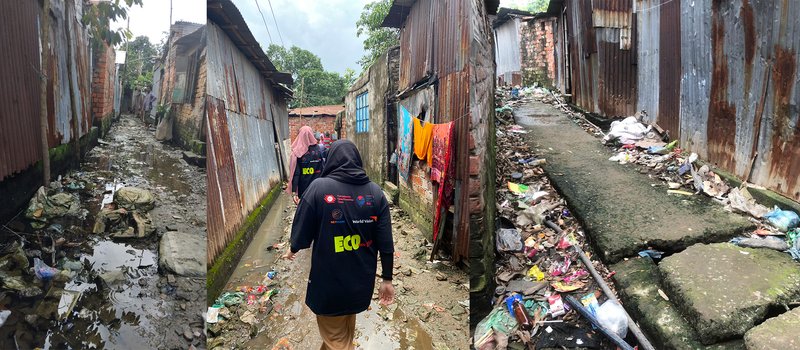
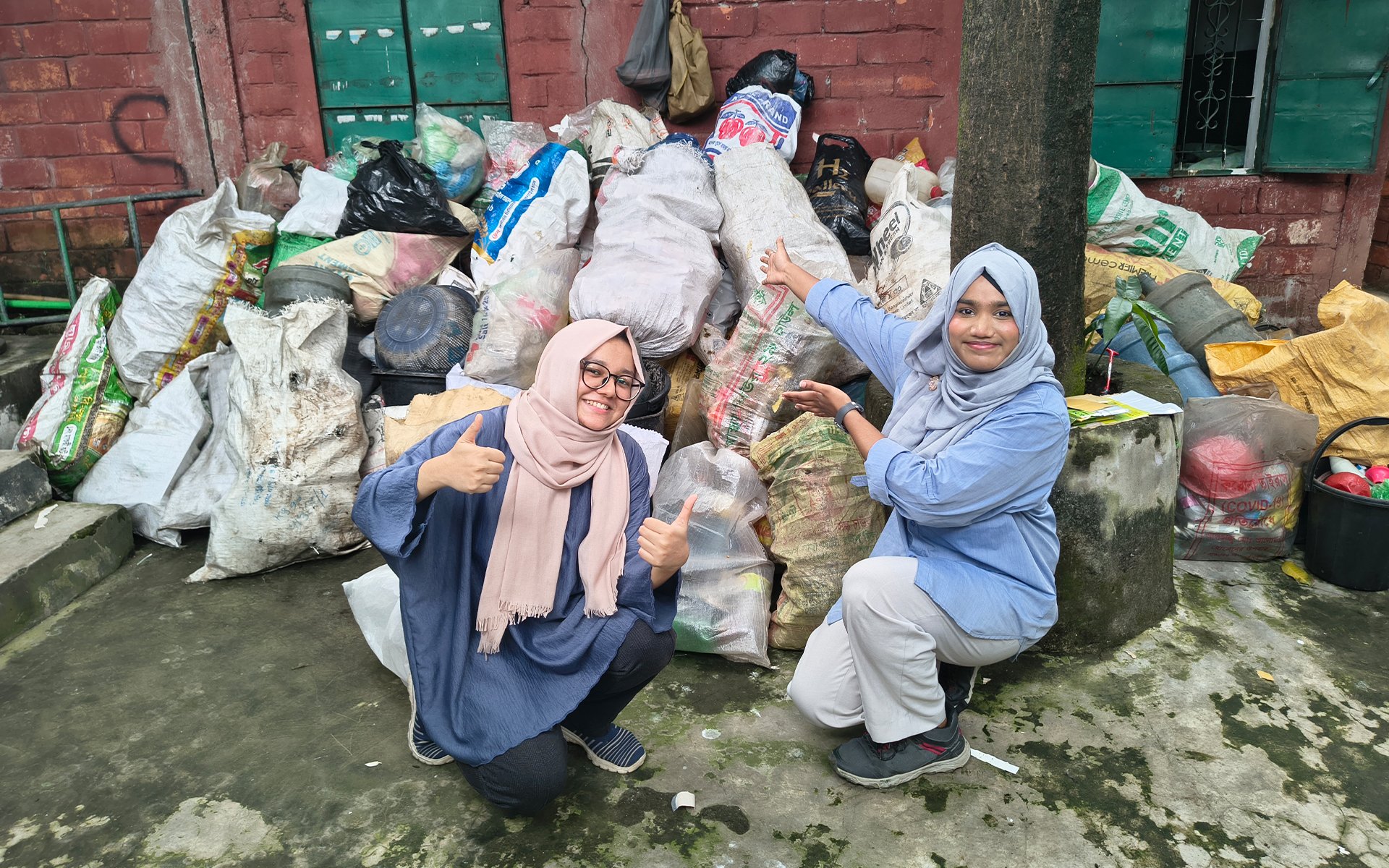
First field visit to Shah Poran, Mirpur, Dhaka | Photo: MAP 4 RESILIENCE
That was where PLASPIN began, not as an idea written on paper, but as a response to a simple question: if waste is everywhere, why can’t it bring something back to the people living with it? If people are already working so hard, why should cleaning the environment be unpaid labor? Implemented as one of the key components of the MAP 4 RESILIENCE project, PLASPIN became a way to earn by giving away plastic waste.
Before starting, we conducted baseline surveys across 700 households with the help of 20 trained university volunteers. The data reflected what we saw on the ground. About 92% of households mixed waste indiscriminately. Plastic disposal was informal, irregular, and unmanaged. Health risks were common, and flooding during monsoon season worsened due to clogged drains. Women carried most of the environmental burden, yet were rarely included in decision-making. Youths were present everywhere but had no structured way to contribute.
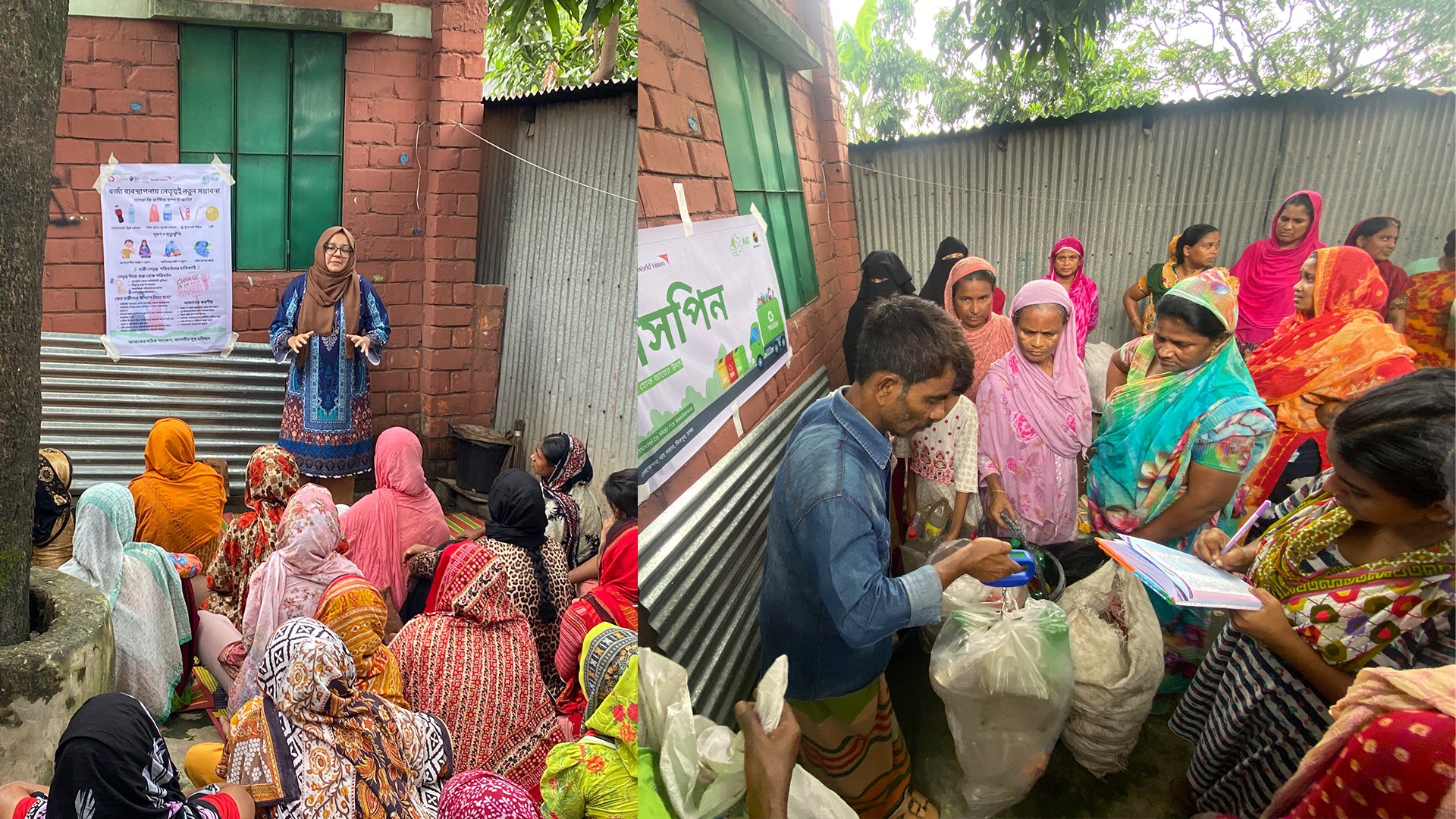
PLASPIN was designed as a community-led system, not a charity model. We started by training 120 women through two sessions focused on waste segregation, hygiene, leadership, and circular economy concepts. Many of these women had never attended a formal training before. Slowly, conversations shifted; from household duties to community responsibility.
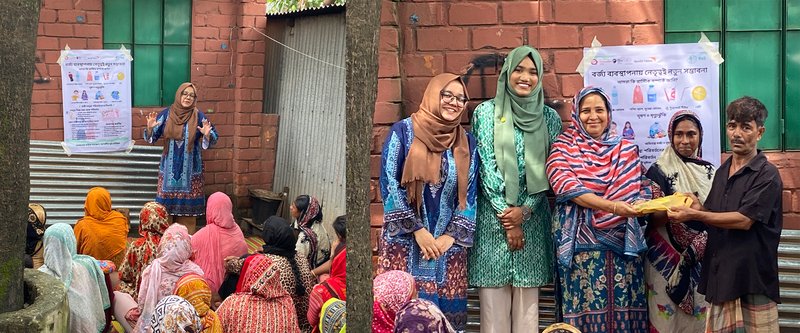
Women-led training on waste segregation and leadership | Photo: MAP 4 RESILIENCE
Two women naturally emerged as leaders: Shumi (19) and Peyara (55). They coordinated household plastic collection, managed data, and became the bridge between the community and recyclers.
Shumi reflected on the shift in daily practices: "Before this, we did not think about separating plastic. The model changed our habit of hygiene. Now we clean, sort, and store waste differently."
Collection points were identified, and plastic was sorted and stored under their supervision. Through a partnership with Garbageman Bangladesh, the collected plastic was weighed, categorized, and recycled with transparent reporting.
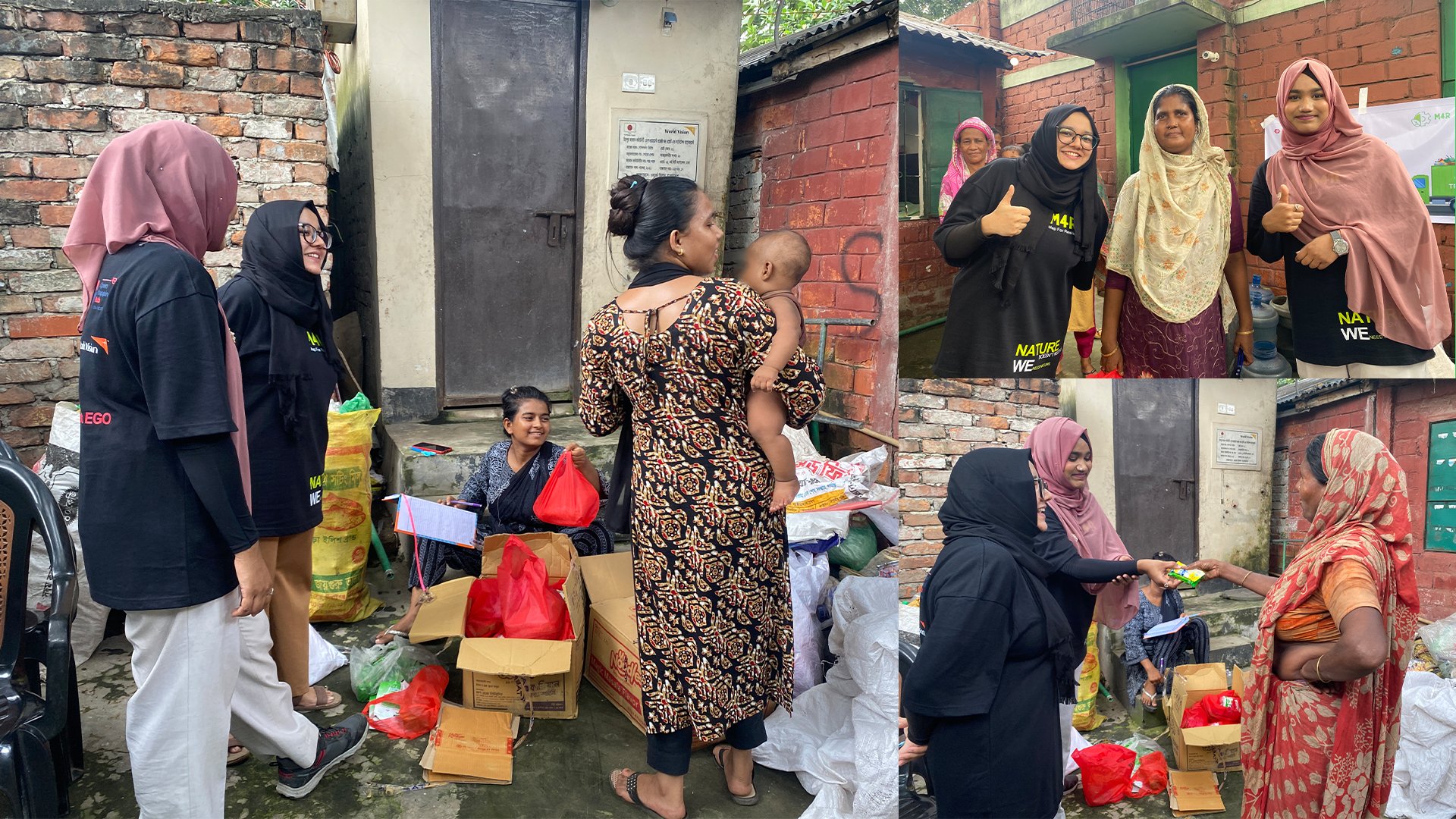
Waste collection and reward giving | Photo: MAP 4 RESILIENCE
Over the project period, 115 kg of plastic waste was recycled through the PLASPIN model. The recycling generated BDT 2,032 (around USD 20), which was fully reinvested into community incentives. While the amount may seem small, the meaning was not. Waste had become value. Efforts had become visible. Most importantly, community members had demonstrated their capacity to self-organize, manage data, and operate a circular model without external dependency.
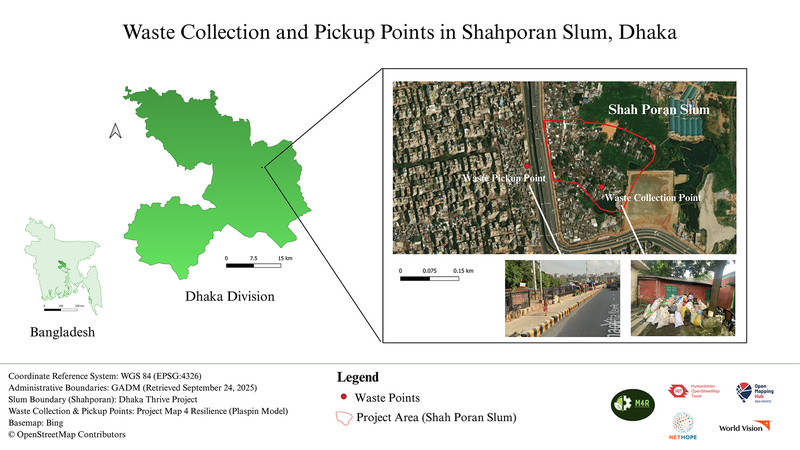
Waste collection and pickup points mapped through OpenStreetMap | Map visualization: Sumaya Rahmatullah
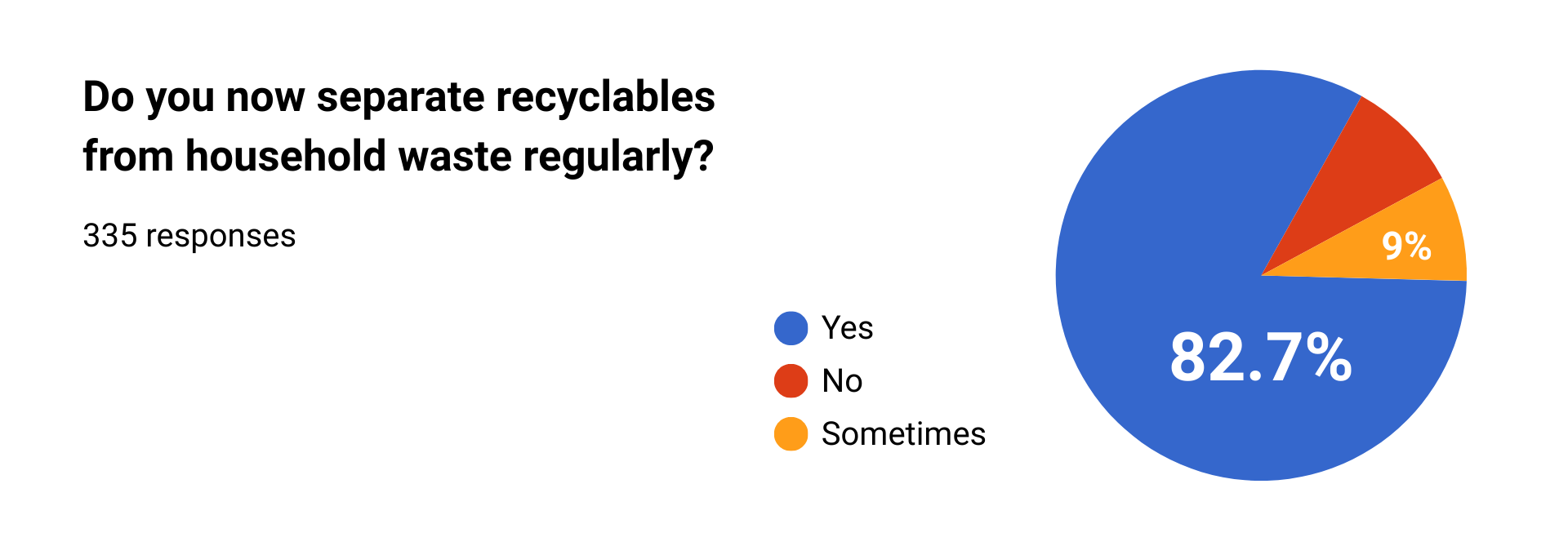
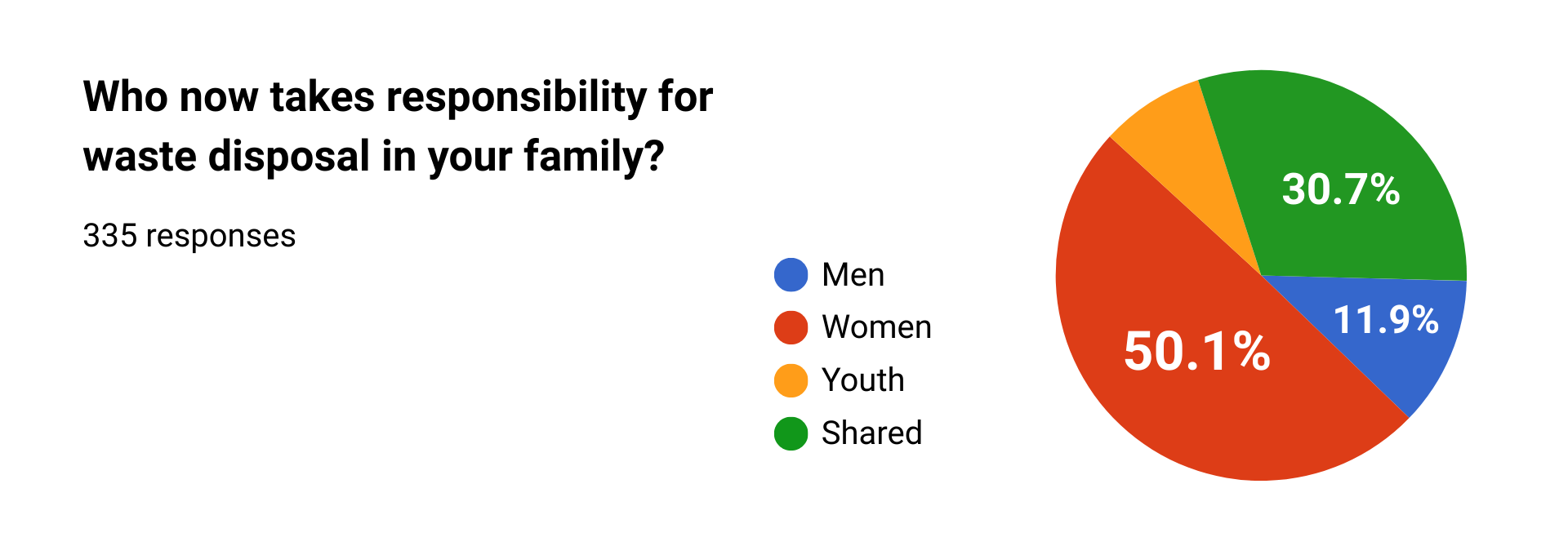
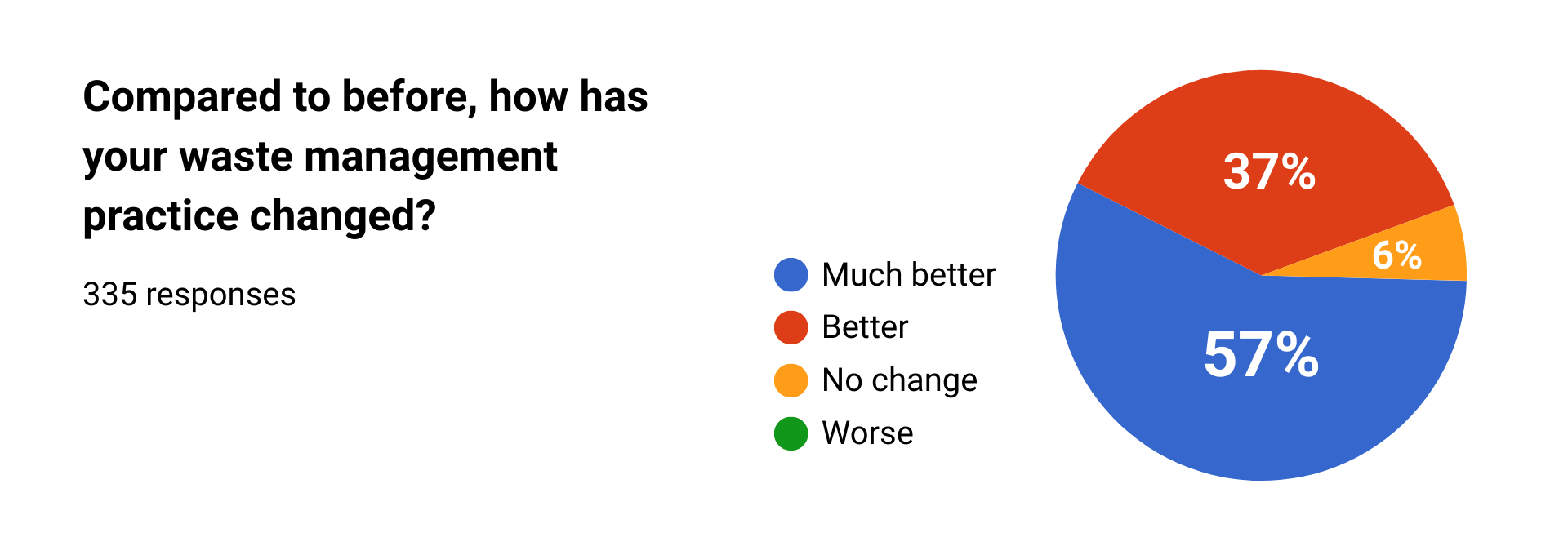
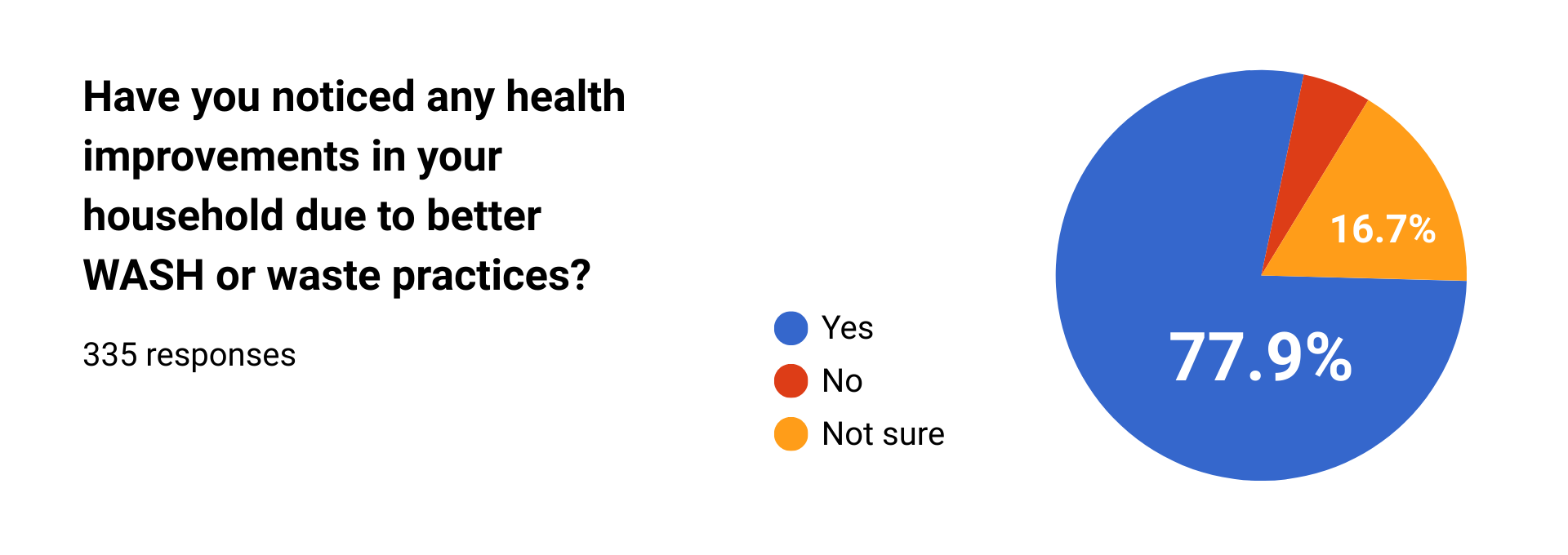
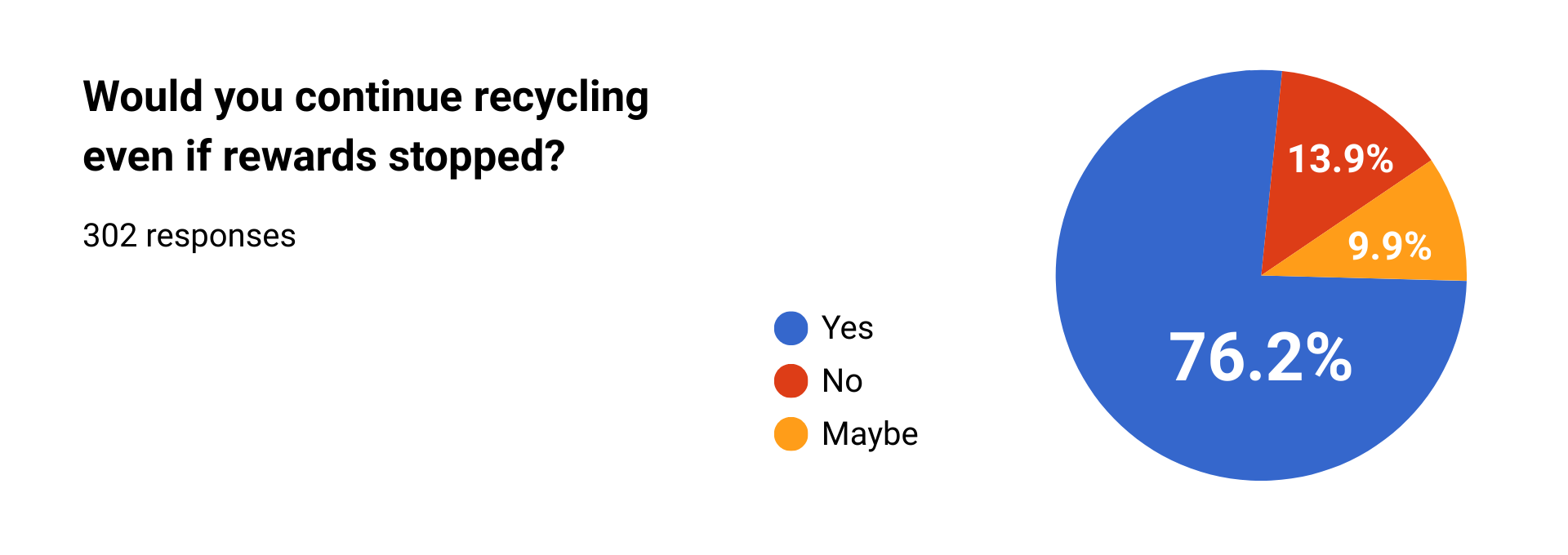
Changes in waste behavior, health perception, leadership, and recycling motivation based on endline survey responses
The endline survey showed real change. About 74% of households were now consistently segregating plastic waste. Nearly 78% of respondents noticed health improvements linked to better sanitation. Over 75% believed women and youth had gained leadership roles through the program. Most importantly, 100% of surveyed households supported PLASPIN as the most effective local sanitation and hygiene model they had experienced.
Throughout the entire project, one moment stays with me the most. During a women’s training, a participant aged 55 said, "We used to think our responsibility was only to our household. Today, we understand that the responsibility of the whole area is ours as well." That shift from private survival to collective ownership is the heart of this project.
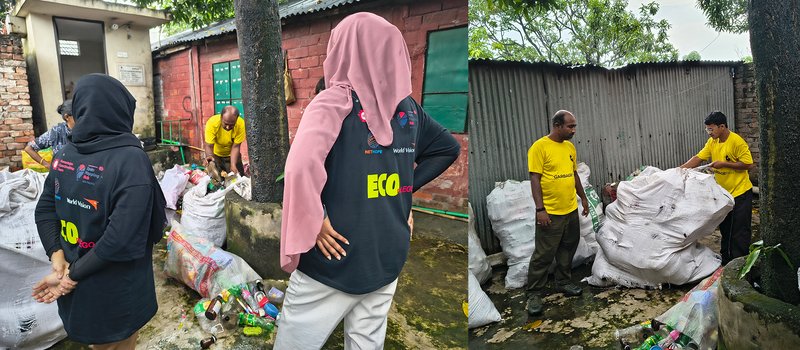
Household plastic collection | Photo: MAP 4 RESILIENCE
PLASPIN did more than reduce plastic. It changed how the communities see themselves. Women became sanitation leaders. Youth became mappers, documenters, and advocates, producing 18 actionable Photovoice insights. The community moved from living among waste problems to actively becoming part of the solution. Cleaner alleys, safer drains, and stronger social bonds followed.
Looking back at my first visit, I realize the waste was never the most shocking part. What shocked me more was how long communities like in Shah Poran have lived without systems that value their effort. PLASPIN showed me that resilience already exists. It only needs the right structure, trust, and recognition to grow.
This is not the end. PLASPIN is designed to scale – to other informal settlements, other cities, and other communities ready to turn waste into wealth.
Watch this video to learn more about PLASPIN and the MAP 4 RESILIENCE project:
About the Author
Sumaya Rahmatullah is a PhD researcher in Sustainability Science & Technology based in Malaysia, specializing in air quality monitoring, machine learning, and environmental research. Her work sits between data, technology, and lived community experience. Through initiatives like PLASPIN, she works alongside marginalized urban communities to shape simple, practical systems that value local effort, support women and youth leadership, and gently turn environmental challenges into shared opportunities for collective action.
This article was written by Sumaya Rahmatullah, with editorial contributions from Tony Liong.
Cover photo credit: Sabrina Meem (left), Sumaya Rahmatullah (right) / MAP 4 RESILIENCE. Explore more photos from the project here.
Share