



Mapping and Open Data Critical to Disaster Response
Posted by El hadji Ndiaye • Oct. 29, 2024
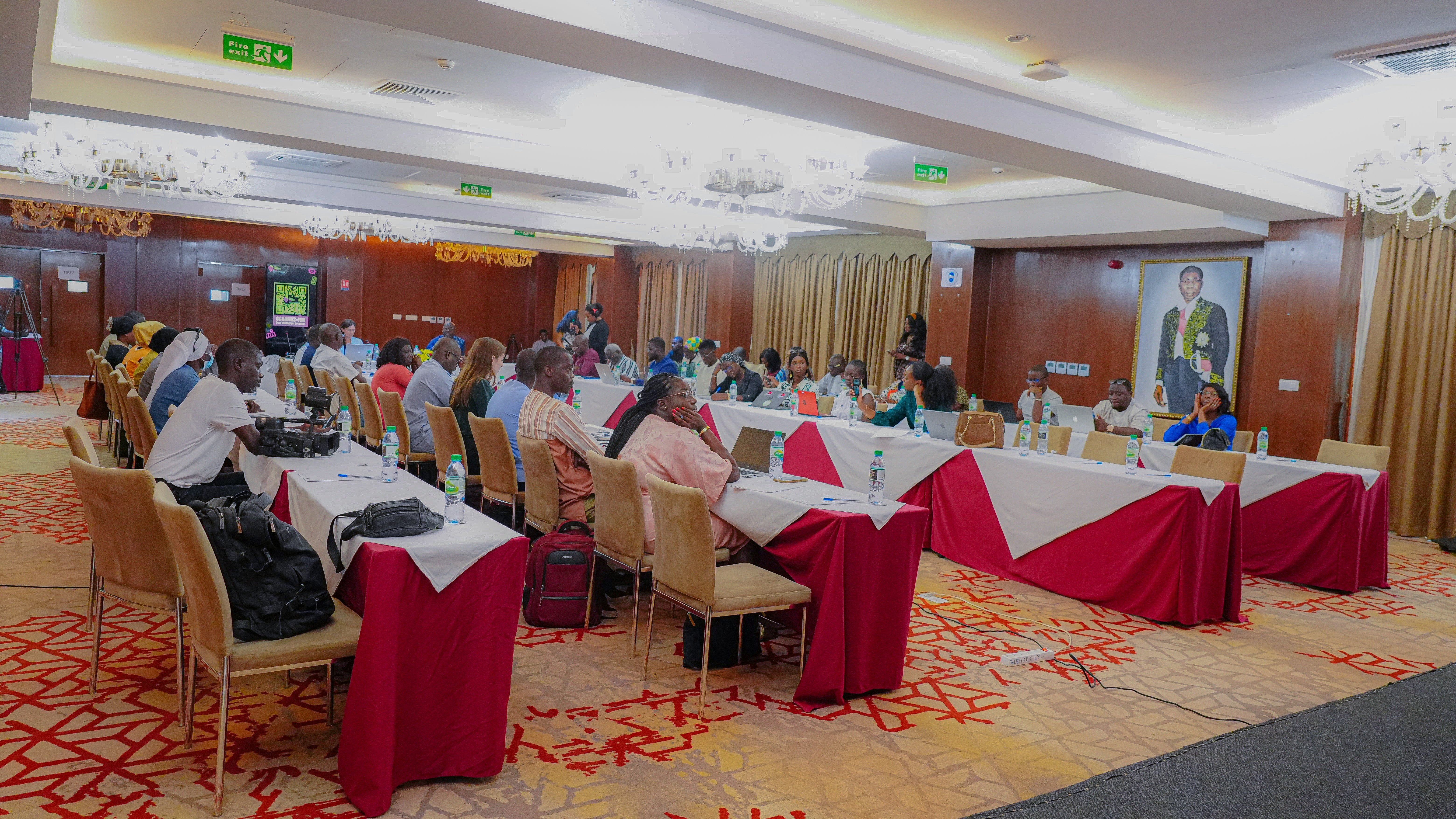
The Humanitarian OpenStreetMap Team (HOT) released an impact report on September 18, 2024, highlighting two years of enhancing open data for disaster response in West and Northern Africa. Key successes include vital infrastructure mapping in Morocco, Senegal, Liberia, and Nigeria, showcasing the importance of accurate data and community collaboration.
The Humanitarian OpenStreetMap Team (HOT) has published its impact report detailing two years of efforts to promote open data across West and Northern Africa. This report highlights the critical role of mapping and open data in disaster response and community resilience, emphasizing the unique challenges faced by different populations in the region.
Significance of Open Data in Disaster Management
Dr. Ibrahima Cisse, Regional Director of WNAH, stated, “Natural disasters are complex events that require data to effectively support responders.” Since the devastating earthquake in Haiti in 2010, the value of OpenStreetMap as an open data platform for disaster management has been recognized globally.
Highlights from Successful Projects
1. Response to the Morocco Earthquake
- Action: WNAH mobilized communities and volunteers globally to identify urgent mapping needs following the earthquake.
- Outcome: Collaboratively, 310 contributors mapped 32,450 buildings and 530 km of roads, creating a detailed base map and road damage data critical for operational decisions.
2. Healthcare Mapping in Matam, Senegal
- Collaboration: Partnered with local authorities, OSM Senegal community, and Marie Stopes Senegal to map healthcare facilities and infrastructure.
- Findings: Most health facilities were located along main roads, leaving rural populations underserved, leading to strategic adjustments in healthcare delivery in the region.
3. Flood Tracking Project in Liberia
- Objective: Address flooding issues exacerbated by climate change.
- Approach: Provided open data and mapping products to local communities and stakeholders. Training sessions were conducted for community members to improve proactive planning for flooding risks.
4. Climate Resilience in Senegal’s Saloum Islands
- Project: WC-DR-SIDS / Îles du Saloum aimed at enhancing community resilience to climate challenges.
- Impact: Collaborated with local communities to gather geospatial data, improving navigation through mangroves and supporting local economic activities.
5. Urban Planning Support in Nigeria
- Initiative: The “Satellite Imagery for Social Good” project developed an interactive web map of healthcare facilities and infrastructure.
- Results: Empowered local authorities with essential geospatial data for urban planning and management.
Conclusion and Call to Action
The report emphasizes the need for ongoing collaboration between HOT, local communities, and partners to ensure the effective use of open mapping tools. As Dr. Cisse highlights, continued efforts are necessary to keep geospatial data updated and relevant for decision-making.
Mr. Gregory Blamo from the Liberia Red Cross Society encapsulates this sentiment: “Without accurate data, we either do the wrong thing, or we do nothing.”
Through its initiatives, HOT aims to democratize open data, ensuring that no community is left behind in disaster preparedness and response efforts.
Watch Our Video
Follow Us for More Information
For further updates, connect with us on: - Facebook - Instagram - X (formerly Twitter) - LinkedIn
Share