


Invisible No More: Closing the Gender Data Gap in Humanitarian Emergencies
Posted by Pauline Omagwa • April 24, 2026
Why women's knowledge goes missing when disasters hit
In January and February 2026, flooding across four river basins in Mozambique the Búzi, Limpopo, Incomati, and Umbeluzi affected approximately 720,000 people. Women and children were the majority. But here's the problem: collecting data to understand what women and girls specifically faced and what they needed was nearly impossible.
The Sendai Framework for Disaster Risk Reduction is clear: disaster risk management must be grounded in data disaggregated by sex, age, and disability. The Humanitarian OpenStreetMap Team (HOT) works toward that through community mapping.
On 5 March 2026, HOT hosted a webinar called "Invisible No More: Closing the Gender Data Gap in Humanitarian Emergencies." We brought together Ana Cristína João Manuel, Director of INGD; Verónica Chico, HOT's Technical Project Coordinator in Mozambique; and Pilar Pacheco, Senior Program Officer for Emergency Response at the Gates Foundation.
The Reasons for the Data Gap
The three panelists stated that emergency data systems fail women in specific, recurring ways. Most of the time, women's input is not included in map data. They're the ones who can tell you exactly which water pump broke during the last storm or which 'safe' shelter is actually too crowded to sleep in. But because they aren't the ones being interviewed or doing the data analysis, most of this local knowledge is not added to systems. In emergency settings, processes might not be followed. National systems have provisions for collecting data by gender, age, and disability status. When an emergency peaks, those provisions are the first thing to go. Data collectors are few, pulled in many directions, and working against time. Funders shape what gets measured. What funders require, organizations collect. Where gender data is not required, it does not get collected.
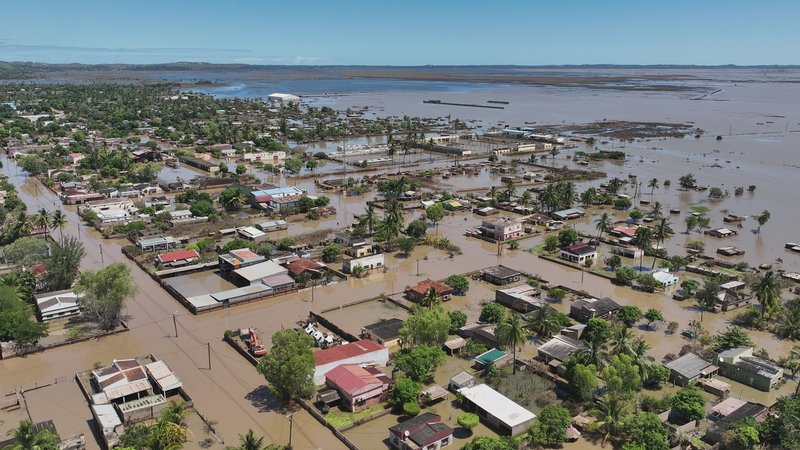
Aerial view of flooding across Mozambique, January 2026. | Photo: INGD
The View from Mozambique
Ana Cristína João Manuel leads Mozambique's National Emergency Operations Center. When a disaster hits, her center coordinates the entire response. It monitors hazards and manages the data on which preparedness depends, including analyzing trends and identifying vulnerable populations to enhance future response strategies.
"We recognize that data disaggregation in our system is still a challenge. It is an effort we have been continuously working on, but we have not yet reached the level we would like to provide fully disaggregated information to all stakeholders and those who need detailed data to support planning and decision-making." — Ana Cristína João Manuel, Director, National Emergency Operations Center, INGD
In Mozambique, data travels a long road before it reaches the national center. It starts with Local Disaster Risk Management Committees at the community level. From there, it goes to the district, then the province, and finally the national center for consolidation. At every stage, someone has to validate and pass it on, ensuring the information is accurate and relevant to the next level of management.
Ana noted that at the community level, there are very few people present. During an emergency, those same people are doing everything else, such as coordinating rescue efforts, distributing supplies, and providing immediate assistance to affected individuals. The training that Local Disaster Risk Management Committees receive covers disaggregated data collection by gender, age, and disability. But when a flood is happening, what gets reported is what enables the fastest response. By the time the situation calmed, people had already dispersed.
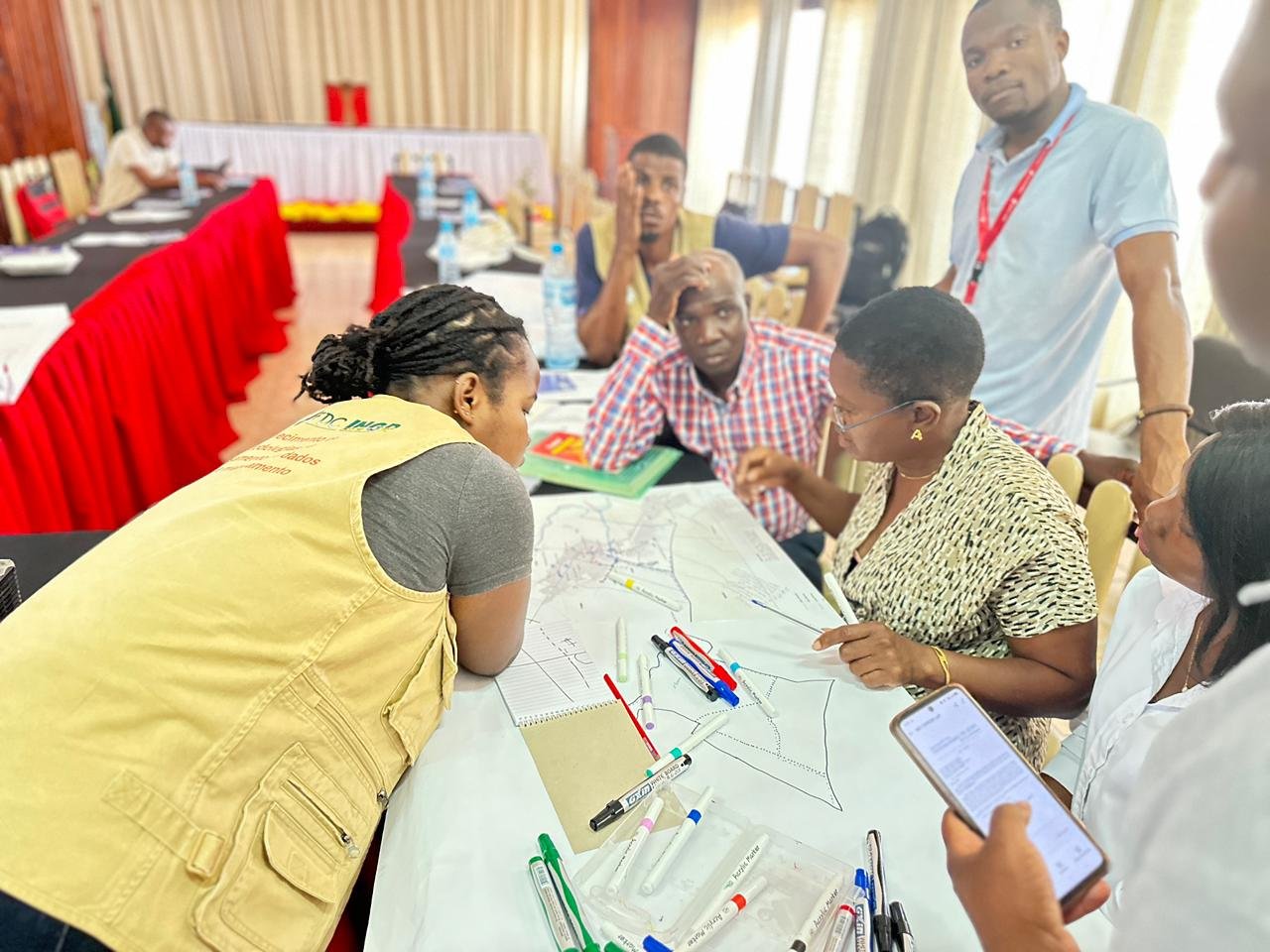
When women map, the map changes Verónica Chico coordinates HOT's mapping work in Mozambique under the Strengthening Open Data Processing and Mapping for Disaster Resilience project . During the mapping of accommodation centers, women highlighted that they were facing water access issues, sanitation facilities were not functioning properly, and the place was overcrowded, which was creating serious challenges for families. These are the realities women deal with every day during a crisis.
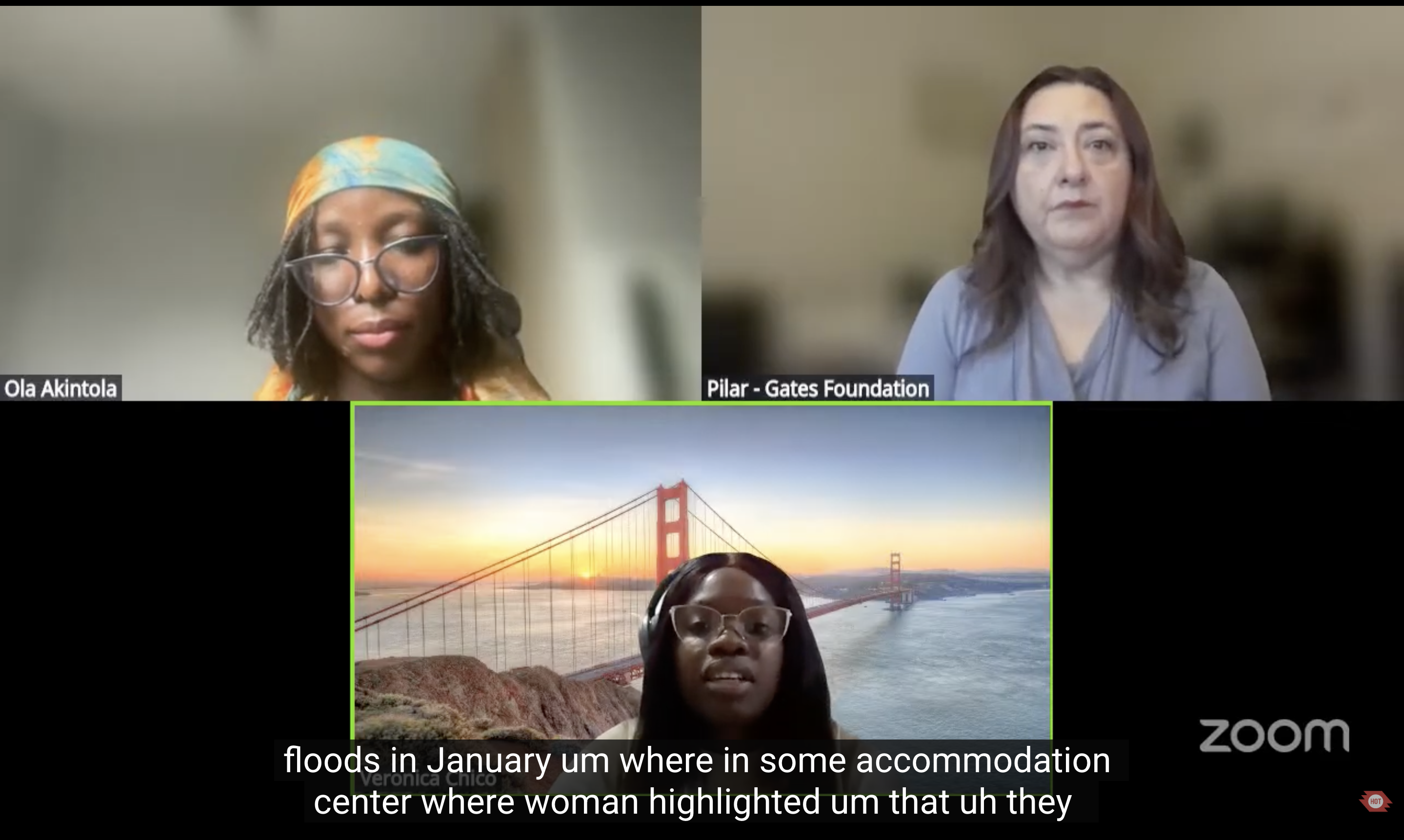
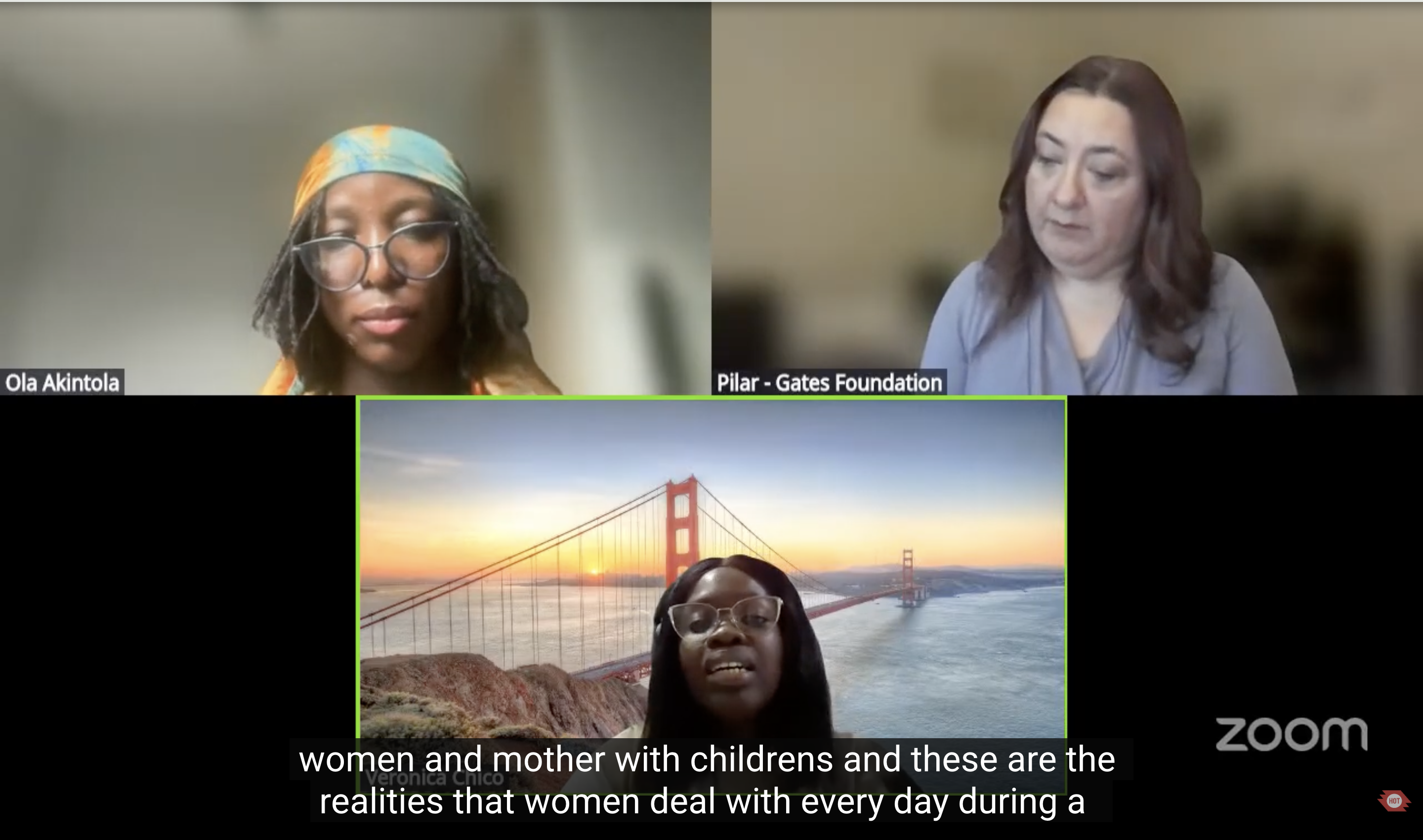
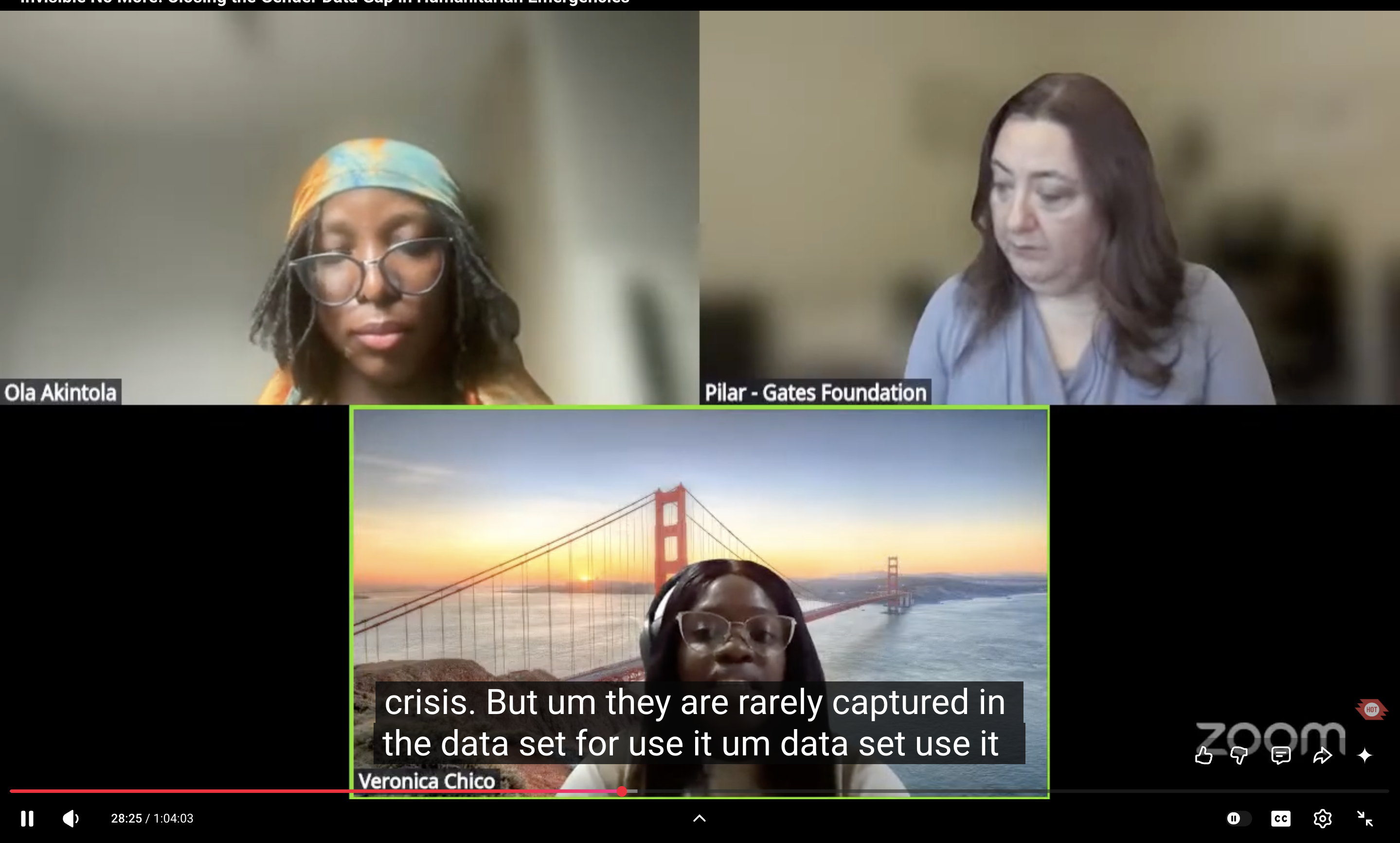
When women participate in mapping: Veronica discusses how including women's perspectives changes what data gets collected—moving beyond infrastructure to capture safety, accessibility, and actual community needs. | Webinar: Invisible No More, March 5, 2026 — ← Swipe to see more photos
"When women participate in mapping, the map begins to reflect how those spaces actually function for women and their families, not just where the infrastructure is located. That makes the data more useful for preparedness and decision-making." — Verónica Chico, Technical Project Coordinator, HOT Mozambique
The problem, as Verónica put it, is not only that the data is missing. It is that the system was not designed to collect it.
Funders have to demand it.
Pilar Pacheco has worked in emergency preparedness for over twenty-five years. At the Gates Foundation, gender-disaggregated data is not a nice-to-have. It is a condition of funding.
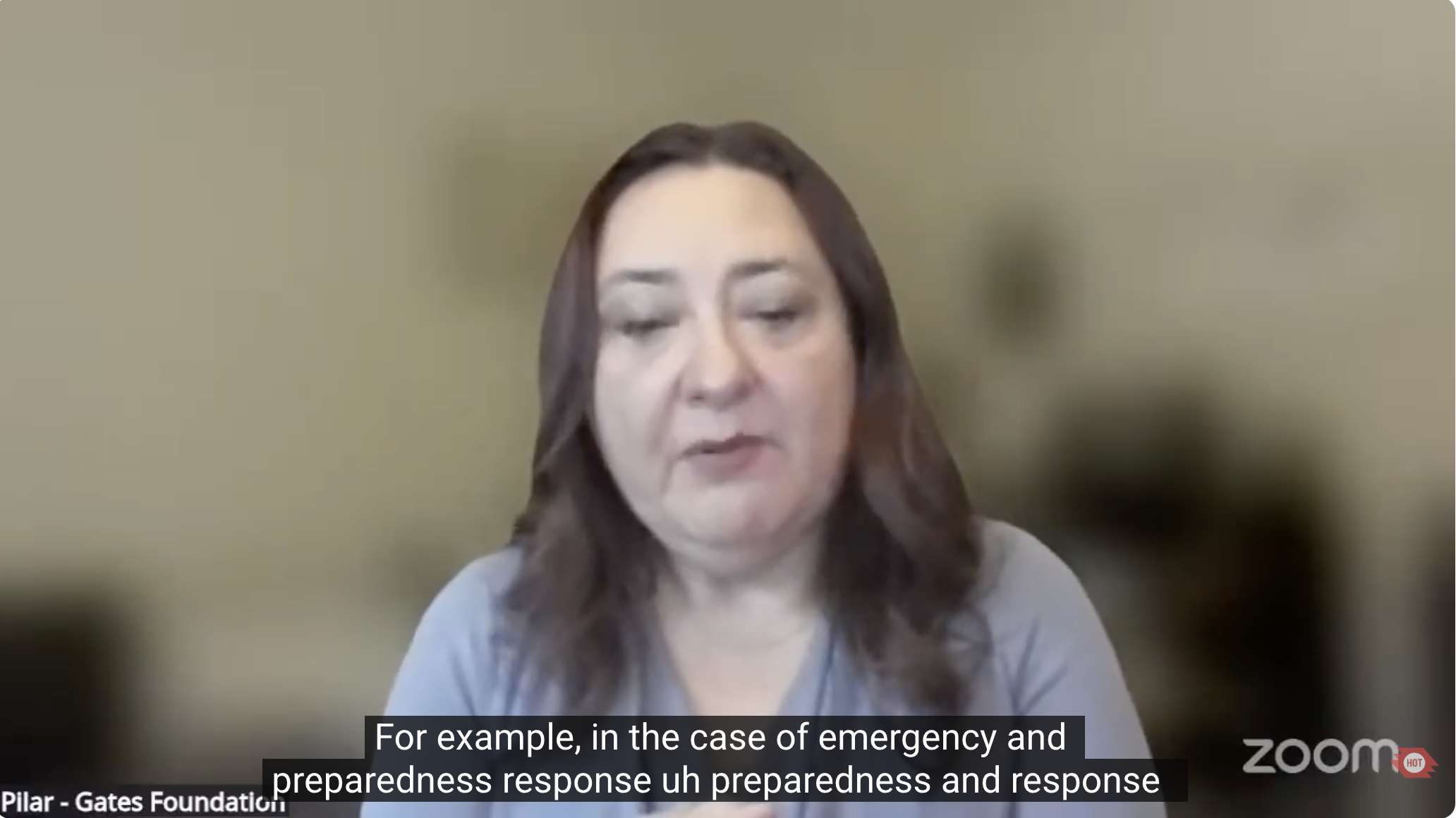
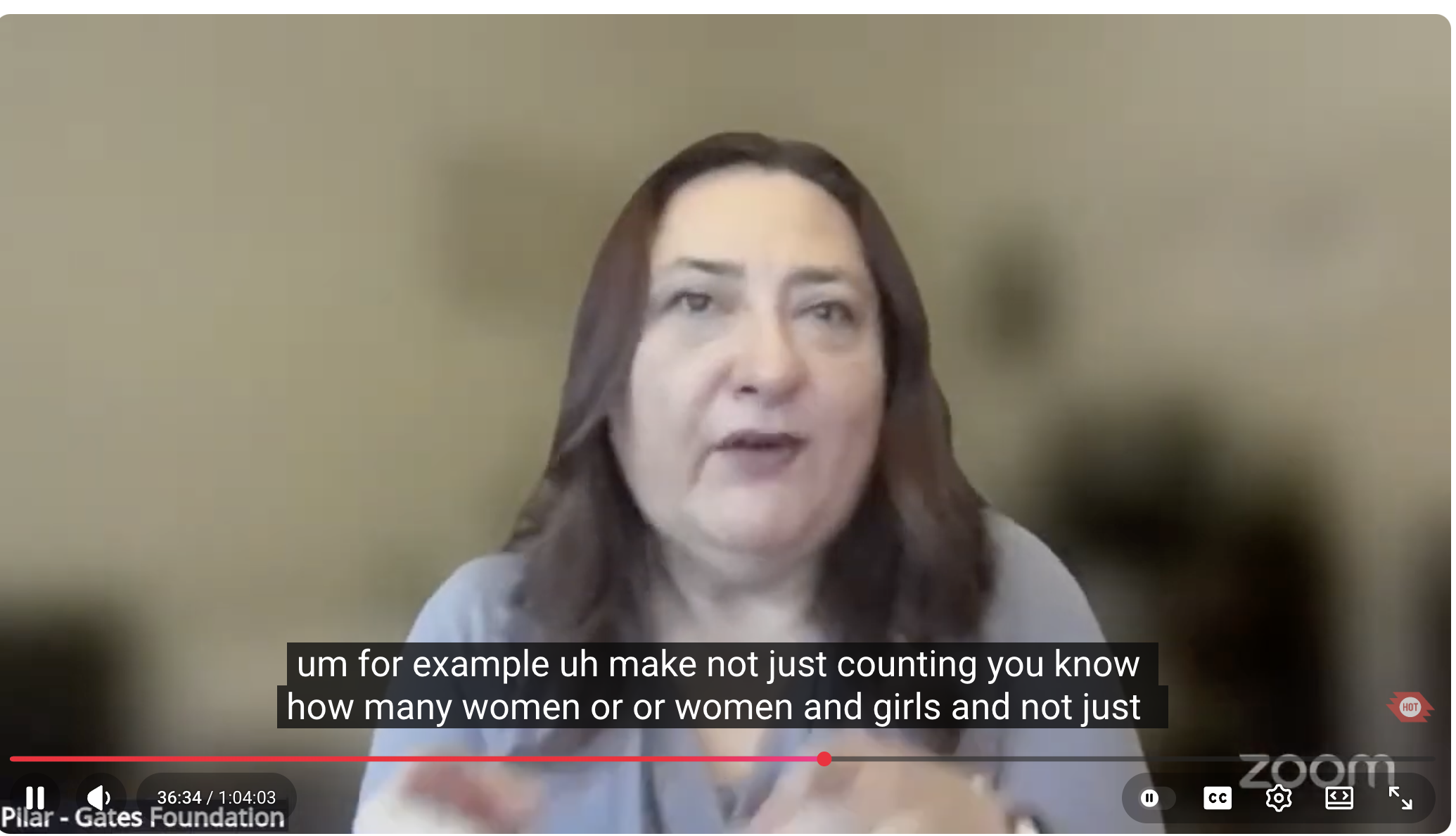
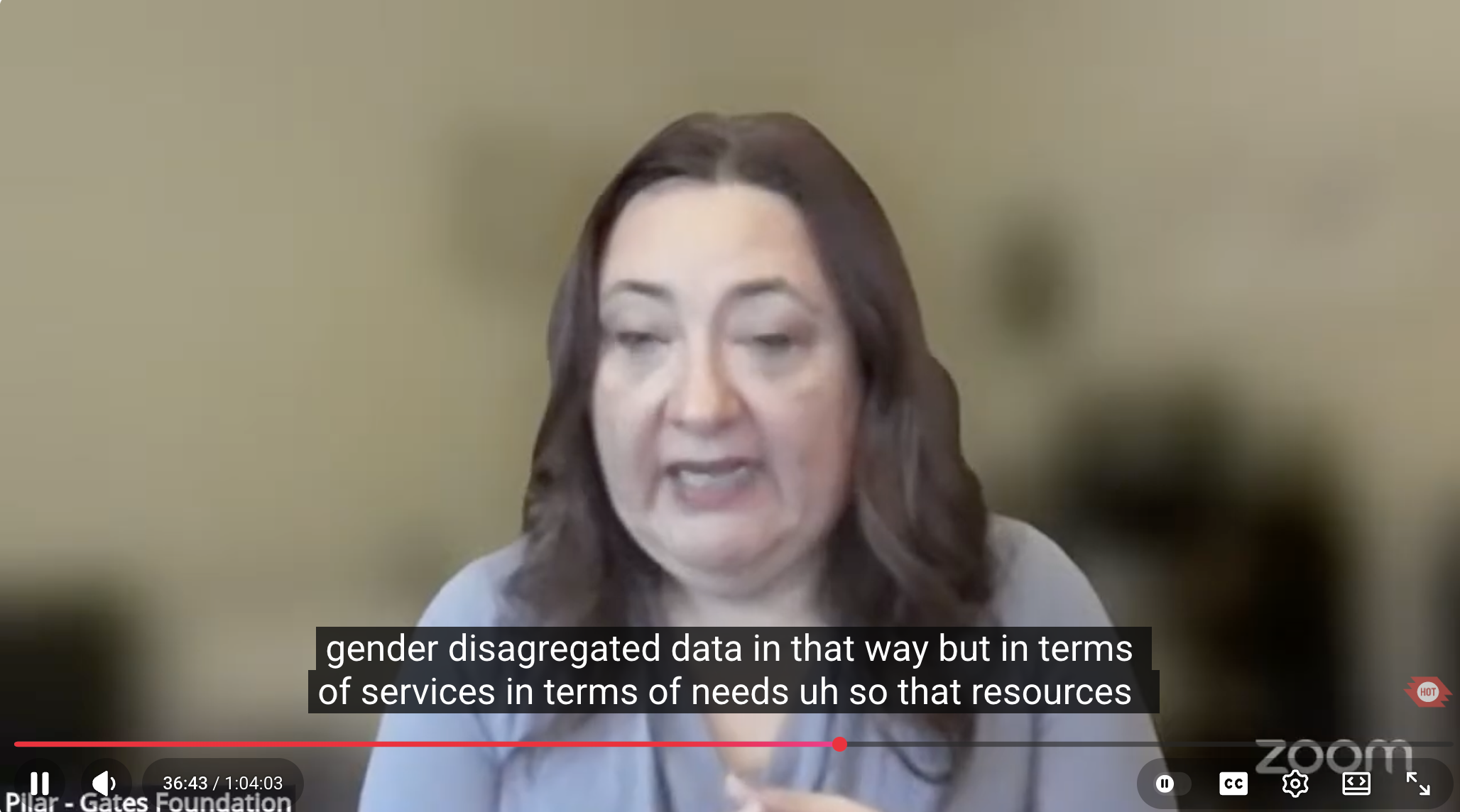
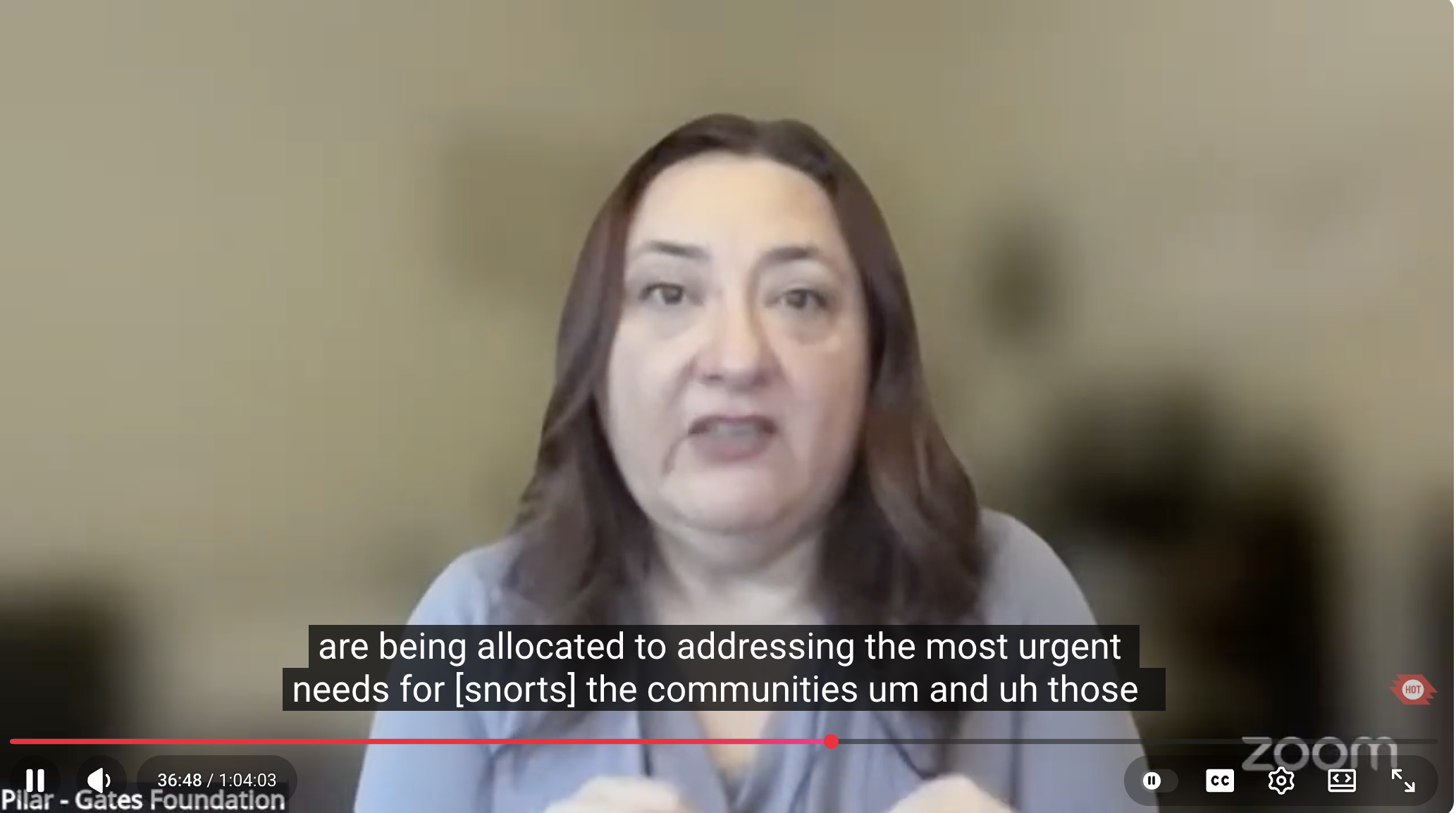
Funders can demand change: Pilar discusses how funding structures shape what data gets collected, why 15 years of progress matters, and how Gates Foundation uses its influencing power to require gender-disaggregated data from grantees. | Webinar: Invisible No More, March 5, 2026 — ← Swipe to see more photos
"We have a responsibility to use our influencing power. I want to use a strong word to demand that data be gender-disaggregated, that the right methodologies are being used, and that the systems designed to collect data have a gender lens. If we don't do our part, we are contributing to widening that gap." —Pilar Pacheco, Senior Program Officer, Emergency Response, Gates Foundation
In practice, that means hard questions about what organizations actually measure. It means building data collection costs into budgets from the start. In some cases, it means requiring that someone in the project be specifically responsible for it. She drew a line between projects that are gender-intentional aware of the issue and those that are gender-transformative, designed to change the conditions that cause it.
Invisible No More: what happened, what's next
Listening to the panelists' insights, it's clear: if women aren't trained or engaged in data collection, their knowledge doesn't get integrated into systems. When crisis hits, there's no data that represents them. And if funders don't demand it, organizations don't build it into budgets.
Flip this around. If funders demand gender data, organizations have a budget for it. If there's a budget, communities can train people. If people are trained, women can map what they know. And then the system sees them.
Right now, this matters:
- If you fund emergency work: Make gender-disaggregated data a requirement in every grant agreement and incorporate it into budgets from the outset.
- If you map with communities, train women mappers NOW before the next crisis. Don't wait.
- If you coordinate disaster response: Build gender data collection into your emergency protocols. Make it part of preparedness, not response.
Share